Design Portfolio
Julie van Veelen - Industrial Designer
Julie van Veelen
I am a product designer with a particular interest in computational design, textiles, and hands-on making. I enjoy exploring how digital methods and physical experimentation can come together to create new products.
Currently, I am in the second year of the MSc Integrated Product Design at TU Delft, where I continue to develop my skills in product development, prototyping, and design research.
ArchiNature
ArchiNature is a light sculpture that was made using computational design in combination with augmented reality to help build it. The sculpture is inspired by the organic and complex shapes in nature.
Volumetric Hybrid textiles
This project explores a volumetric hybrid textile (VHT) that combines 3D-printed TPU structures with traditional weaving. The result is a flexible textile with increased volume, softness, and material possibilities.
The Waterbench
The Waterbench collects rainwater to help your garden grow. Connected to a rainwater pipe, the bench stores water within its SMC/BMC shell for later use in the garden.
Modular Police Gear
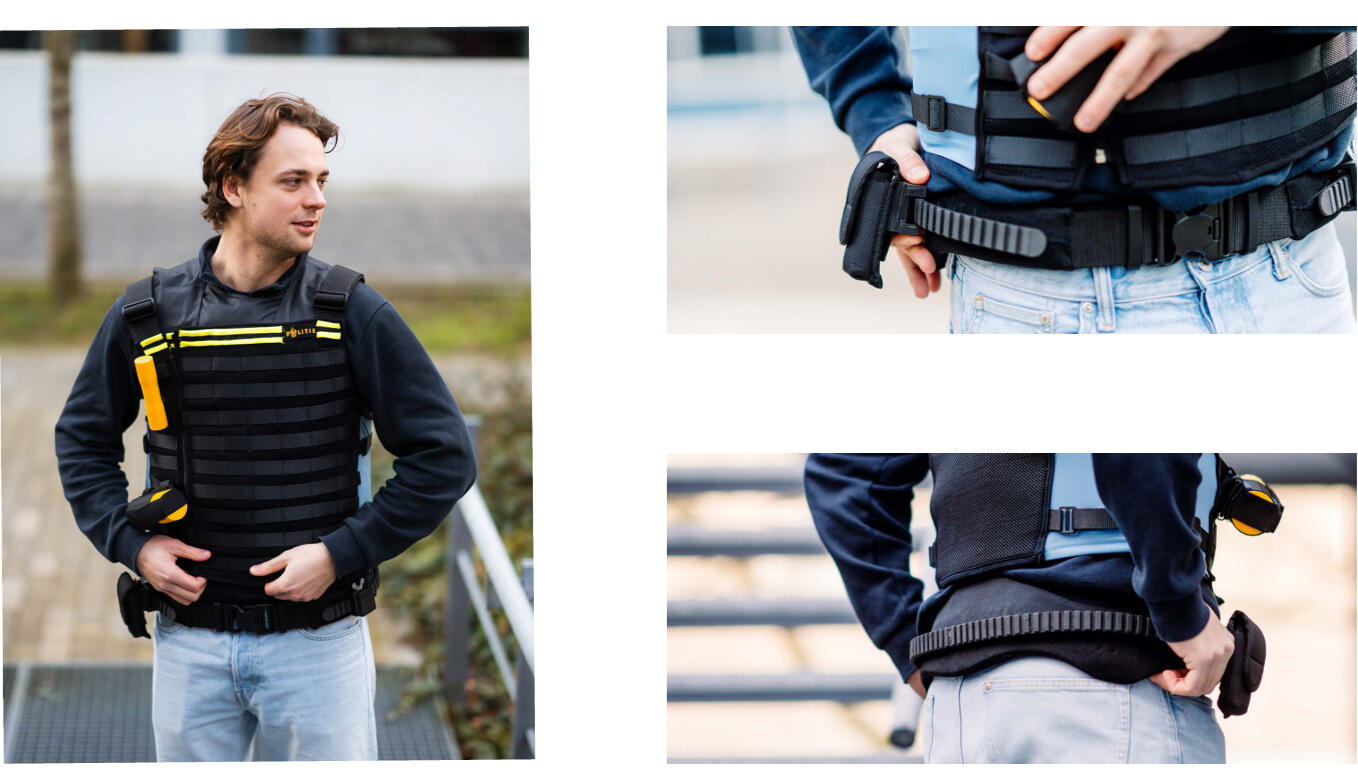
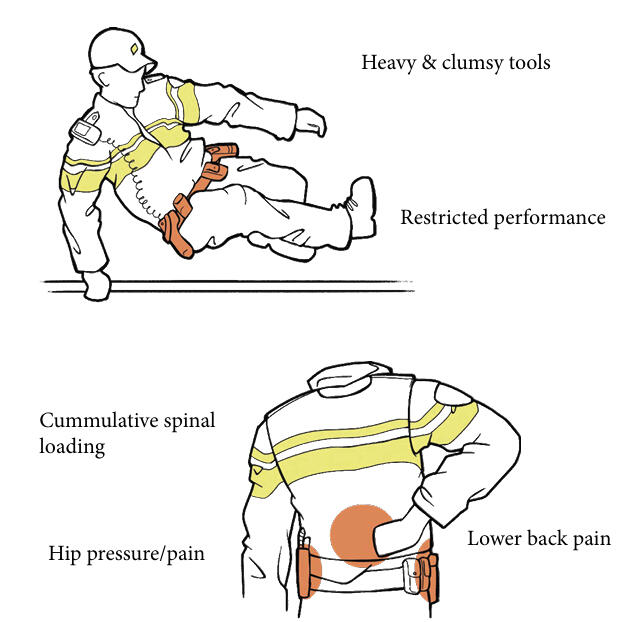
Coverworks, the client for this project, tasked us with redesigning the current police duty gear system. Now police officers carry heavy tools (11 kg total), which leads to physical complaints like hip pressure and lower back pain. This modular system allows for better load distribution and has an ergonomically improved belt.
ArchiNature
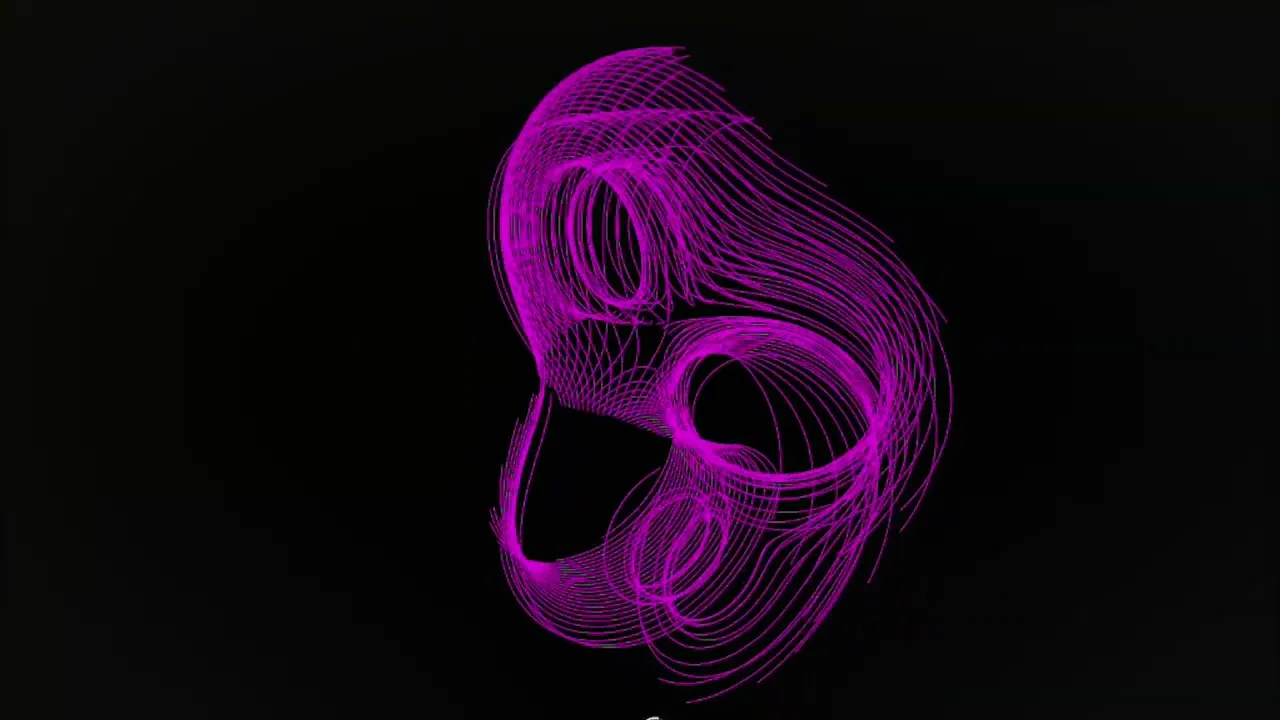
ArchiNature is a light sculpture that was made using computational design in combination with augmented reality to help build it. The sculpture is inspired by the organic and complex shapes in nature.
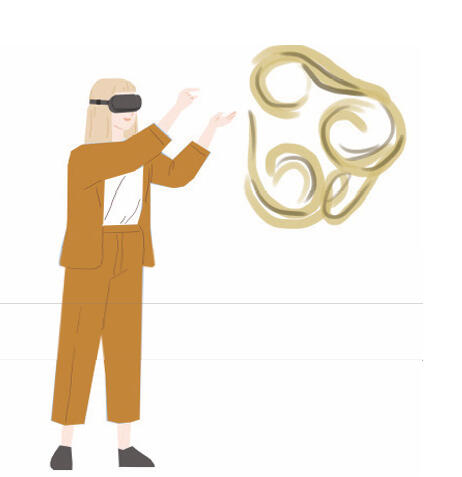
Minor Advanced Prototyping 2025-Group project 10 weeks full
time
Photography by Tim Wilmes
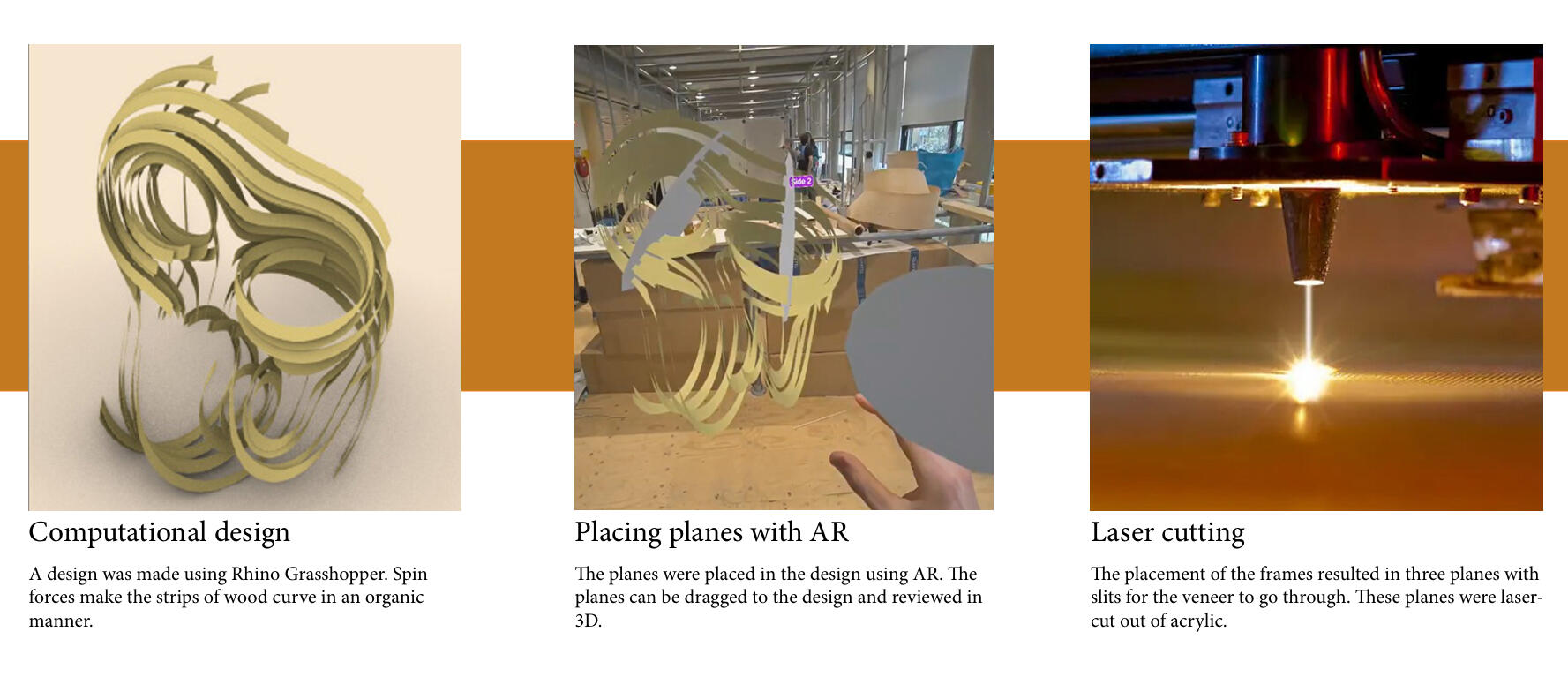
The process
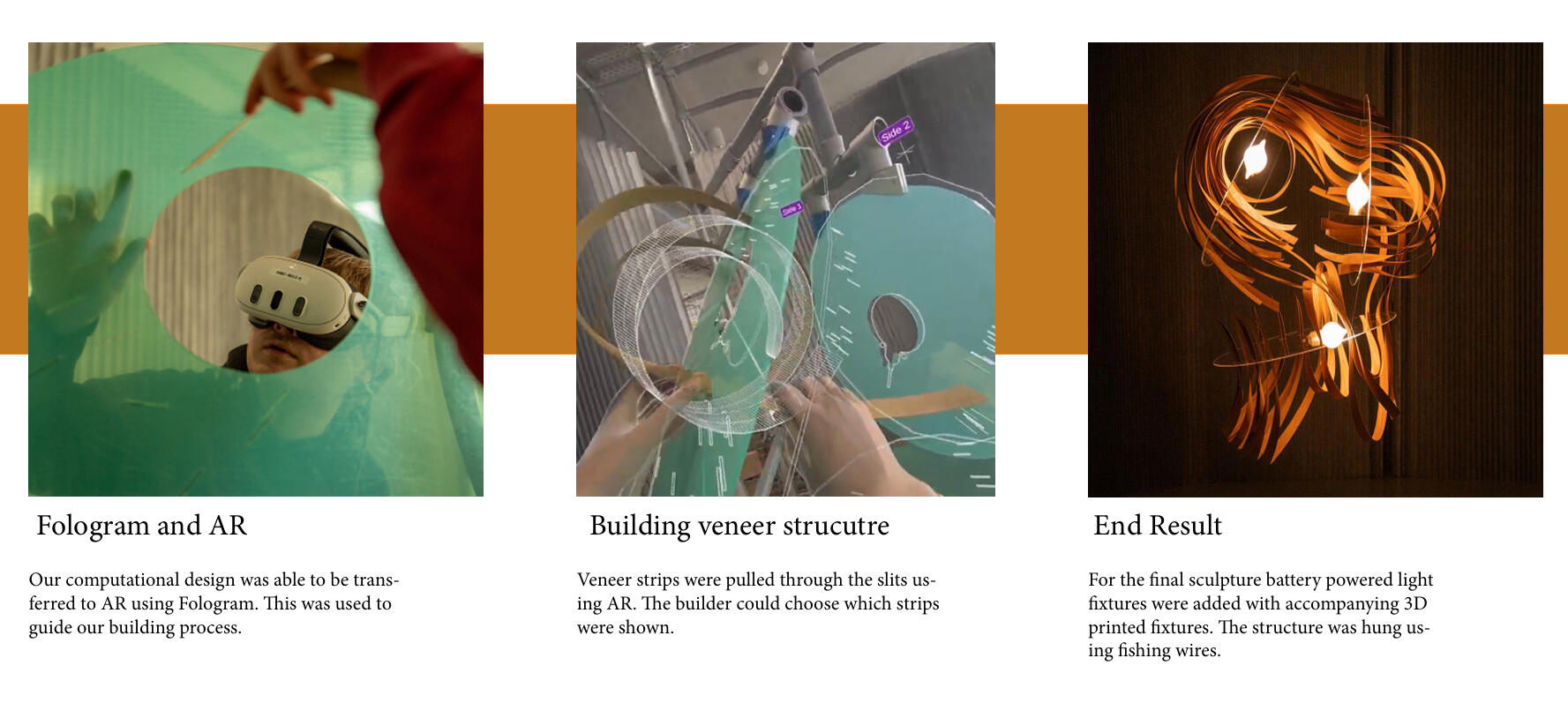
My role
I focused primarily on concept development and hands-on prototyping, exploring how the computational design could be translated into a physical structure. My contribution included developing and testing the construction method, working with the veneer strips, and building the final light sculpture using the AR-assisted fabrication process.
Volumetric Hybrid textiles
This project explores a volumetric hybrid textile (VHT) that combines 3D-printed TPU structures with traditional weaving. The result is a flexible textile with increased volume, softness, and material possibilities.
Group project - 20 weeks part-time
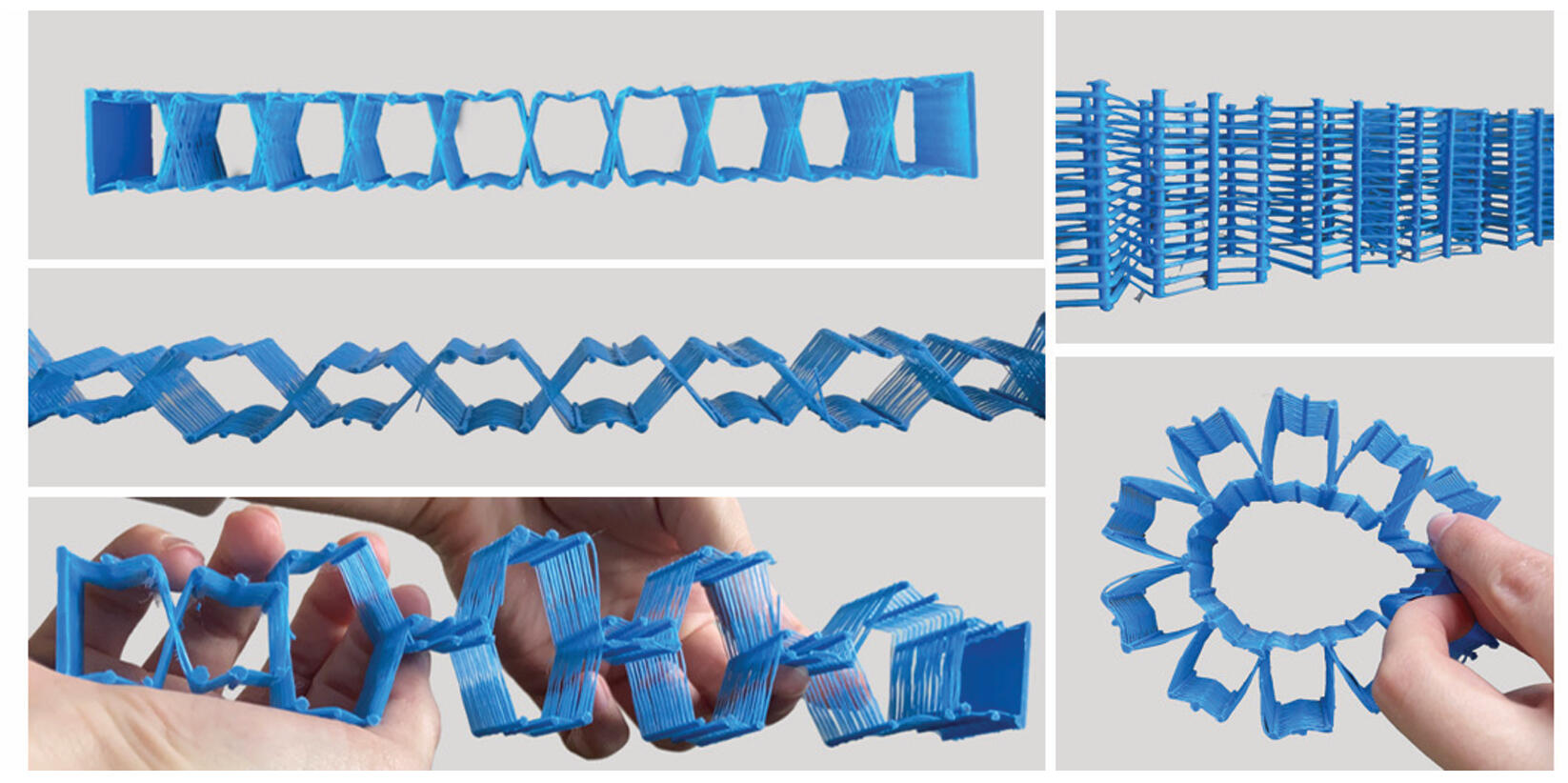
The structure
The base structural geometry was designed parametrically using Rhino 8’s Grasshopper and uses a bridging technique to connect distinct vertical columns, emulating a woven textile structure, combining the layer-by-layer manufacturing process described by Takahashi et al. (2019) with the internal cross-pattern characteristic of pile fabrics (Jihong et al., 2009). This is the structure printed in PLA.
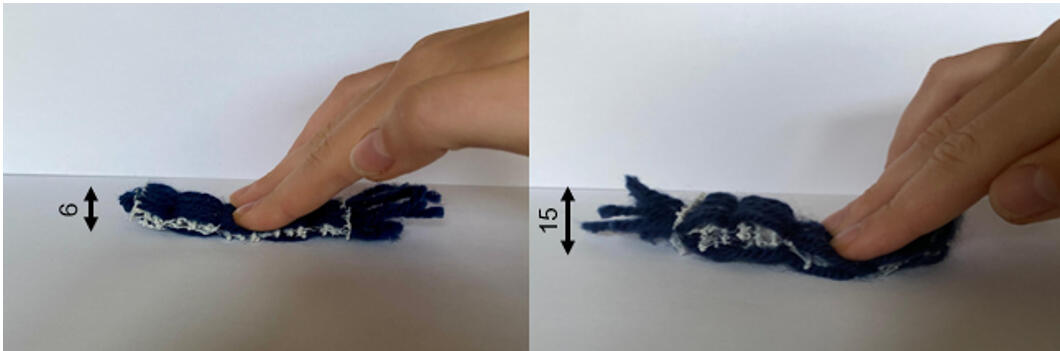
Qualatitive research on experienced softness
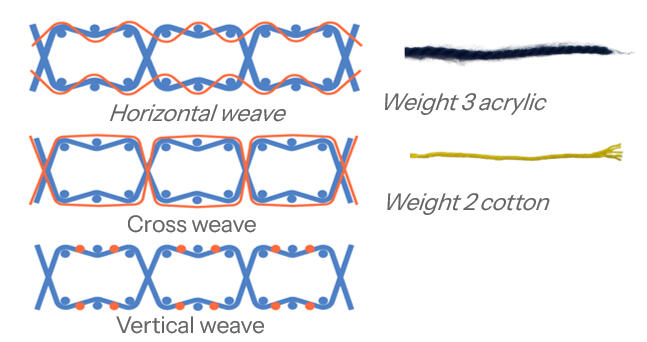
I did research based on the material driven design approach using the experiential characterization toolkit. I did this to improve wearability and experienced softness. For this I used different types of yarn, yarn integration and structure thicknesses.
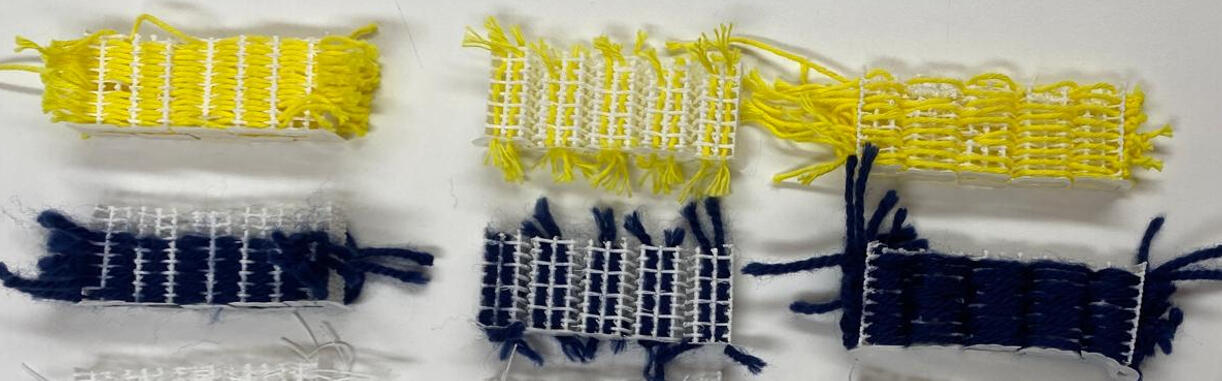
Results/Findings
Yarn integration increased softness and flexibility, with acrylic yarn and diagonal weaving performing best. Greater volume increased perceived softness but reduced structural strength, revealing a trade-off between softness, volume and durability.
The Waterbench
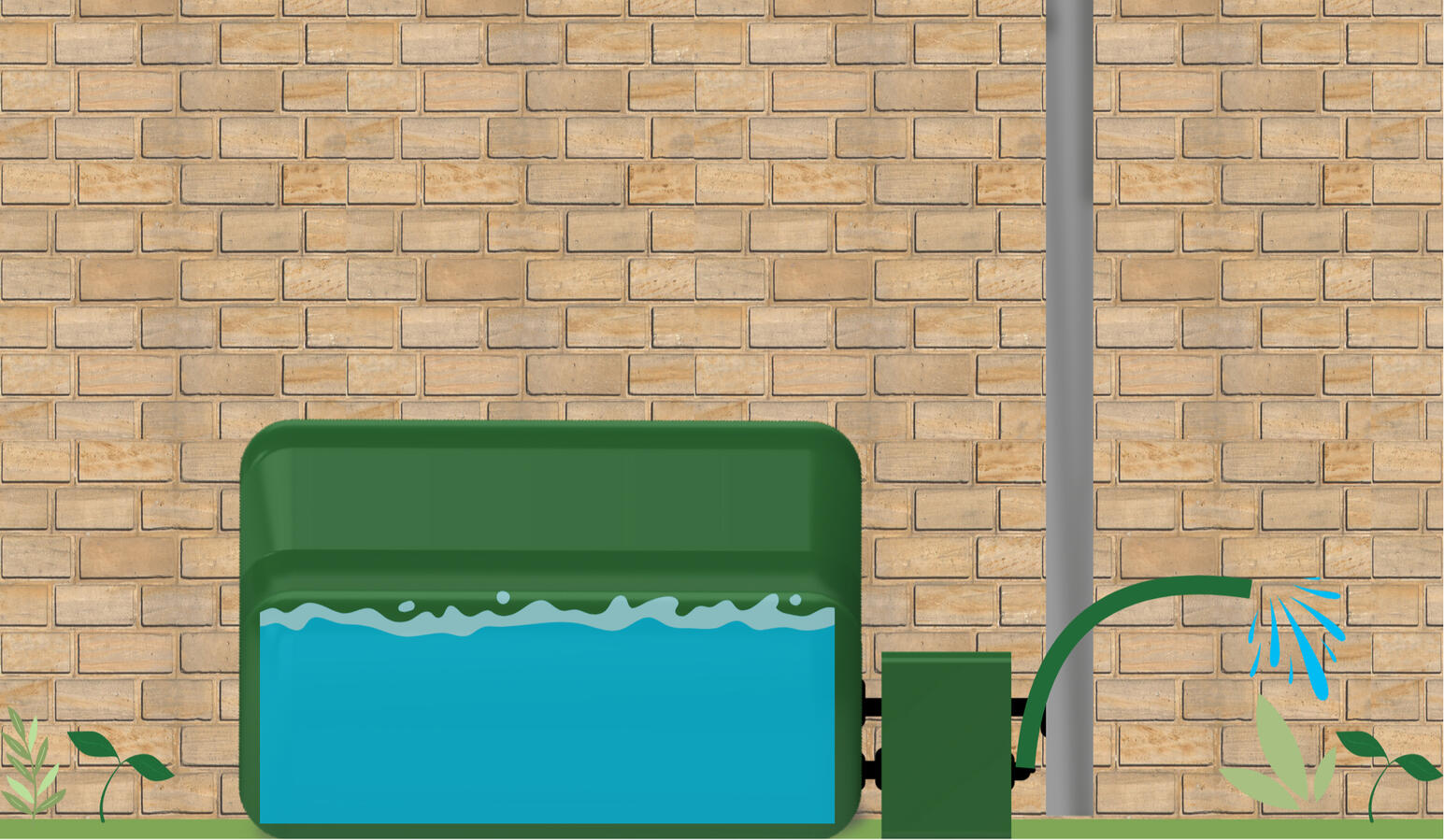
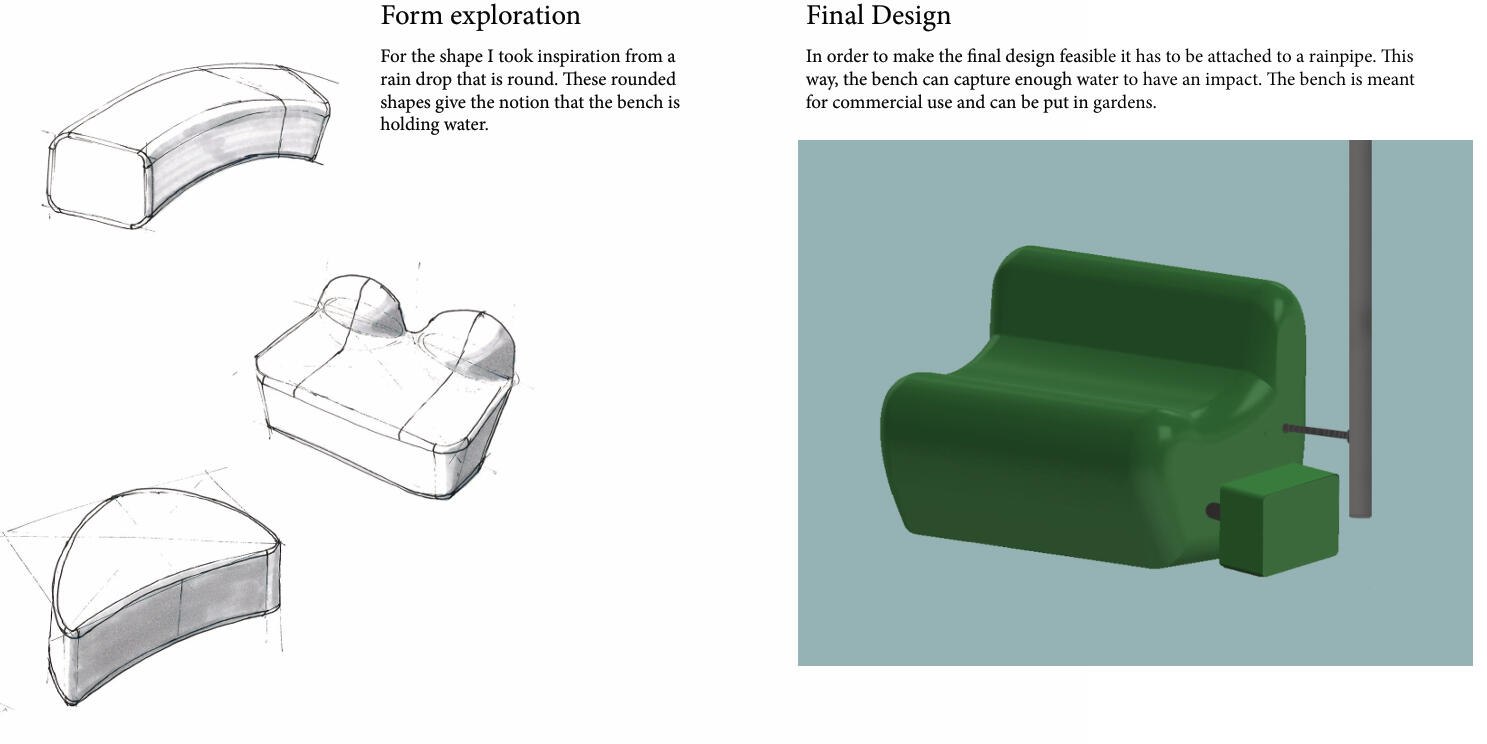
The Waterbench collects rainwater to help your garden grow. Connected to a rainwater pipe, the bench stores water within its SMC/BMC shell for later use in the garden.
Bachelor end project-Individual project- full time
Explanation video
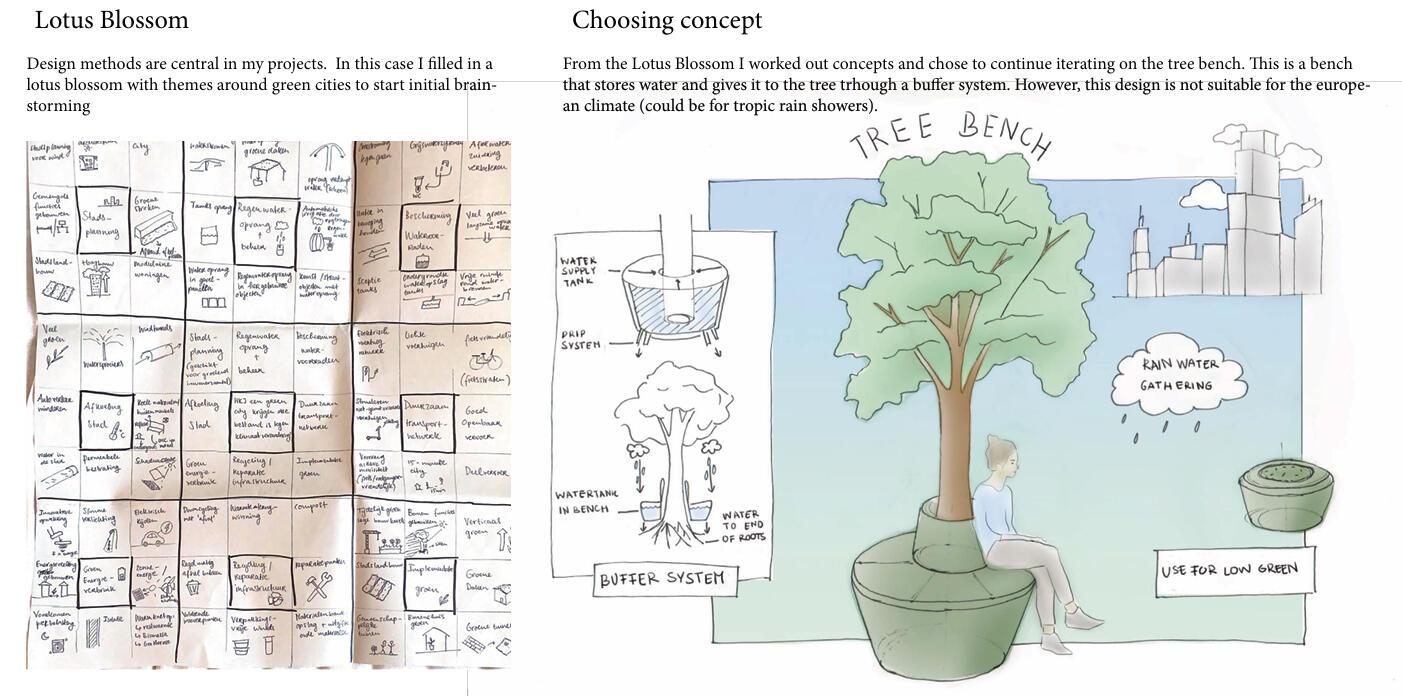
Ideation
Final design
Modular Police Gear
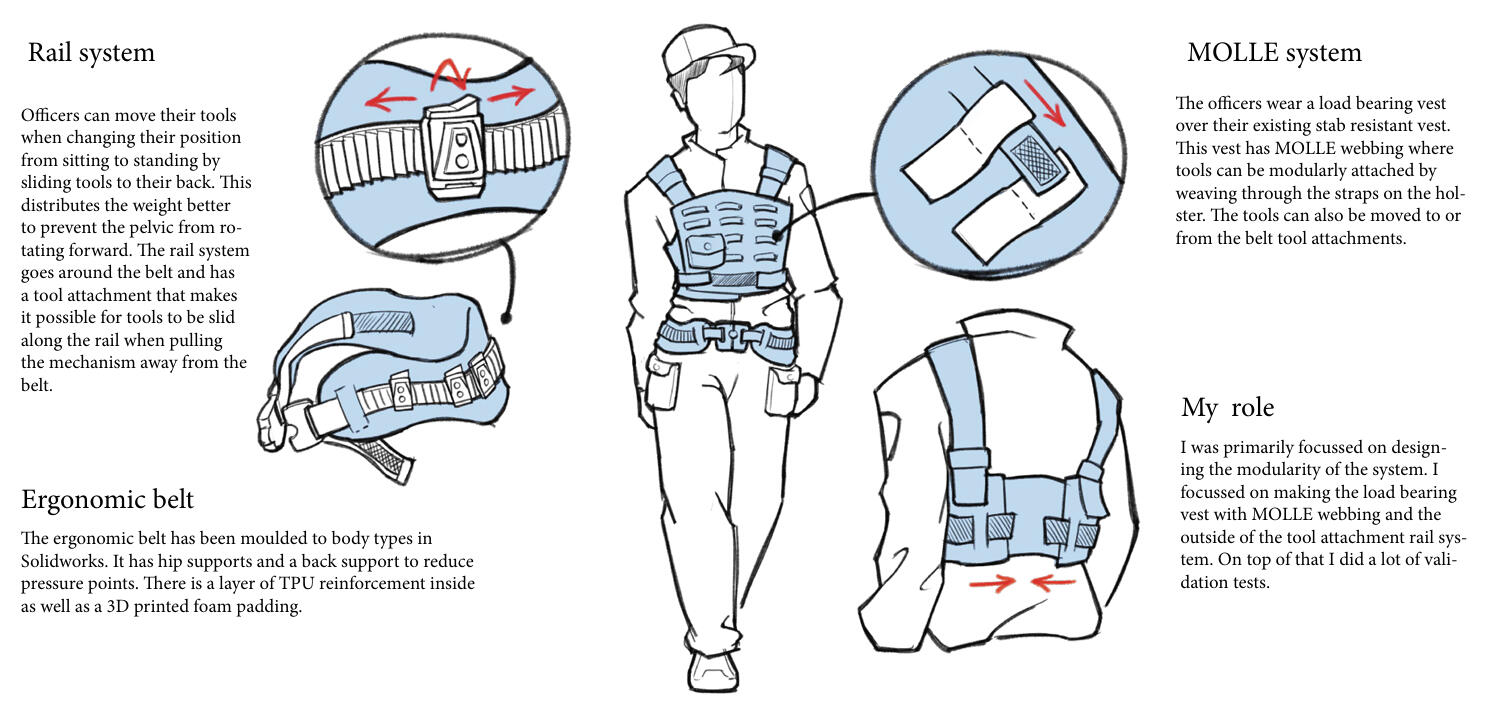
Coverworks tasked us with redesigning the current police duty gear system. Now police officers carry heavy tools (11 kg total), which leads to physical complaints like hip pressure and lower back pain. This modular system allows for better load distribution and has an ergonomically improved belt.
DP5-Group project- part time
Photography by Willemijn Hutter
Problem validation
Problem validation
The Concept
The final design